On the Beach Holidays Lanzarote – Best Beaches, Deals and Guides 2025
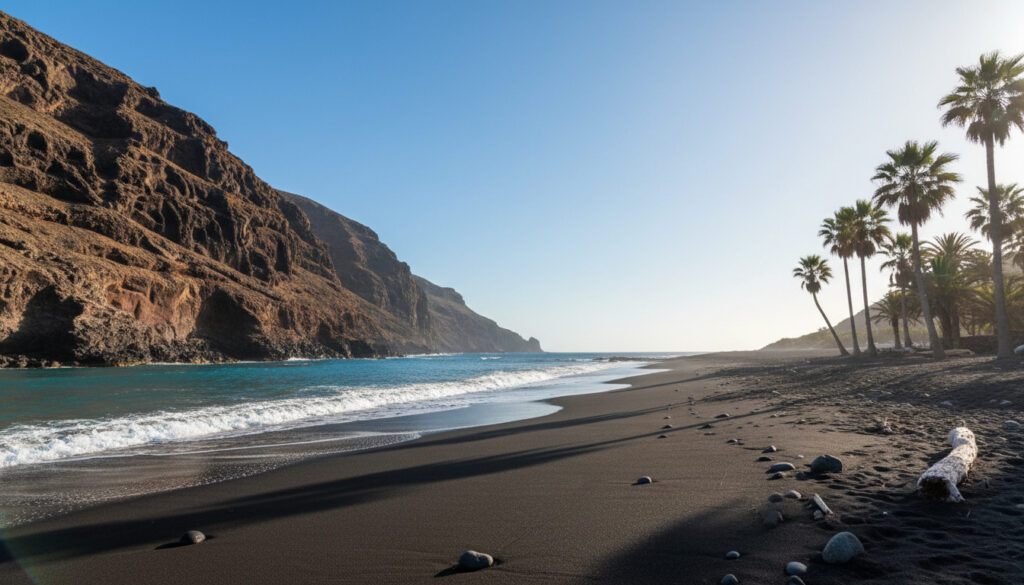
Lanzarote’s coastline presents a geological contrast rarely found within a single destination. The easternmost Canary Island pairs volcanic black sand beaches with sheltered white sand coves, creating diverse environments for package holidaymakers seeking both dramatic scenery and calm swimming waters.
The island’s designation as a UNESCO Biosphere Reserve since 1993 underpins its appeal for beach holidays, with protected areas like Los Ajaches Natural Park housing some of the most photographed shorelines in the Atlantic. Tour operators frequently feature all-inclusive resorts in the southern municipality of Playa Blanca, where proximity to Arrecife Airport facilitates accessible breaks from UK departure points.
Visitors encounter approximately 300 volcanic cones and extensive lava fields framing the coast, producing beaches ranging from the golden sands of Famara to the black lava particles at Janubio.
Which Beaches Define On the Beach Holidays in Lanzarote?
Signature Locations
Papagayo coves, Caletón Blanco, and Playa Blanca offer contrasting sand types from golden to white.
Climate Reliability
Year-round sunshine with southern beaches sheltering visitors from northern trade winds.
Access Costs
€3 card-only entry fee for vehicle access to Papagayo beaches.
Resort Infrastructure
All-inclusive accommodations concentrated in Playa Blanca, population approximately 12,000.
Key Insights for Beach Holiday Planning
- UNESCO Biosphere Reserve status since 1993 protects coastal ecosystems
- Six distinct coves accessible within Los Ajaches Natural Park Barcelo Tourism Guide
- Volcanic geology creates both black lava sands and rare white sand deposits
- Southern orientation provides natural shelter from prevailing winds
- Playa Flamingo rebuilt following hurricane damage in 2005
- Tourism board promotes virgin beaches with limited facility footprints
Essential Facts for Lanzarote Beach Holidays
| Fact | Details |
|---|---|
| UNESCO Designation | Biosphere Reserve since 1993 |
| Papagayo Entry | €3 card payment only |
| Playa Mujeres Dimensions | 400-metre white-sand cove |
| Playa Papagayo Size | 280m x 20m golden sand |
| Playa del Pozo | 340m x 10m, low-tide access only |
| Caletón Blanco Location | Near Órzola fishing village |
| Beach Types | Volcanic black and white/golden sand |
| Playa Blanca Status | Youngest resort destination on island |
What Are the Best Beaches for Different Types of Travellers?
Papagayo and the Southern Coves
The Papagayo beaches at Punta del Papagayo represent the island’s most celebrated coastal feature, comprising six coves within Los Ajaches Natural Park. Travel Junkie Girl identifies Playa Papagayo as a 280-metre by 20-metre half-moon of golden sand particularly suited for snorkelling due to its sheltered position.
Playa Mujeres offers a quieter 400-metre white-sand alternative with parking facilities, while Caletón de San Marcial requires foot access but rewards visitors with crystal waters. Playa del Pozo stretches 340 metres but offers no shade or services, accessible only at low tide.
Family-Friendly White Sands
Caletón Blanco near the Órzola fishing village provides surreal white sand formations with sheltered lagoons particularly safe for children’s paddling and snorkelling during high tide. Runaway Juno notes the beach’s rock pools and protected swimming areas.
Playa Blanca’s main beach offers a long stretch of white and golden sand within a resort town setting, mixing sand and rock areas with a quieter central section. The promenade connects to parks including Faro, Carlos, and Shangrila, providing amenities for families staying in adjacent accommodations.
Dramatic Black Sand Coasts
Playa del Janubio on the west coast presents black lava sand with wild wave conditions attracting surfers, backed by historic salt pans that host migratory birds during winter months. Edelweiss Air contrasts this with Famara Beach in the northwest, where vast golden sands sit beneath cliffs with views toward La Graciosa.
Visitors must navigate a dirt track to reach the Papagayo beaches, paying a €3 entry fee via card only. Parking is available at Playa Mujeres, while Caletón de San Marcial requires walking from the main access road. No facilities exist at Playa del Pozo, suggesting visitors should bring water and sun protection.
When Is the Best Time to Book an On the Beach Holiday?
Peak Season Considerations
Summer months bring peak season conditions to Lanzarote, with Barcelo Tourism noting that Papagayo beaches experience maximum crowding during this period. The southern beaches remain preferable during high season due to their shelter from northern winds affecting other parts of the island.
Low Season Advantages
Low season visits offer notably deserted beaches while maintaining the year-round sunshine that defines the Canary Islands climate. Travel reports indicate that calm waters persist in southern areas regardless of seasonal timing, though specific weather patterns remain variable.
How Do Costs Compare for Lanzarote Beach Packages?
Package Holiday Structures
UK tour operators offer package deals to Arrecife Airport serving southern beaches like Playa Blanca and Papagayo, with all-inclusive resorts concentrated in the southern municipality. Travel analysis suggests independent travel options are increasingly popular beyond traditional resort confines.
Independent Expenses
Specific 2025 pricing remains unspecified in available data, though the €3 Papagayo entry fee represents a known fixed cost for independent travellers. Beach bars and a campsite operate at Papagayo for those not visiting via resort packages.
The Lanzarote Tourism Board emphasises preserving pristine conditions within the UNESCO Biosphere Reserve and Natural Monument areas. Visitors should bring bin bags for waste removal and consider picnic supplies, particularly at Papagayo where leave-no-trace practices help maintain the protected environment.
How Does the Seasonal Calendar Shape Lanzarote Beach Holidays?
- Winter months: Migratory birds populate the salt pans behind Playa del Janubio
- Early spring: Optimal conditions for hiking between volcanic cones and coastal access points
- Late spring: Transition period with increasing visitor numbers but pre-peak tranquillity
- Summer: Peak tourist season with maximum density at Papagayo coves and full resort operations
- Early autumn: Maintained sunshine with reduced crowding at white sand locations like Caletón Blanco
- Late autumn: Return to quieter beach conditions with reliable southern shore access
What Is Certain About Lanzarote Beach Holidays Versus What Remains Variable?
Established Information
- UNESCO Biosphere Reserve status confirmed since 1993
- Papagayo entry requires €3 card payment for six coves
- Playa Blanca hosts approximately 12,000 residents as the island’s youngest resort
- Southern beaches provide consistent shelter from northern winds
- Caletón Blanco offers protected lagoons for family swimming
- TripAdvisor ranks 15 top beaches for the destination
Uncertain Variables
- Exact flight duration from UK airports (specific times not established)
- 2025/2026 package pricing specifics and availability
- Daily wind speed fluctuations affecting beach selection
- Real-time crowd levels at specific coves during peak weeks
- Exact redevelopment timelines for ongoing resort expansions
- Seasonal variations in water temperature specifics
Why Does Lanzarote’s Geology Create Such Distinct Beach Environments?
The island’s formation through volcanic activity produced approximately 300 cones and extensive lava fields that directly influence coastal characteristics. This geology yields the black sand beaches like Janubio where volcanic particles meet the Atlantic, alongside rare white sand deposits at Caleta del Mero where Hello Canary Islands documents white-sand dunes amid volcanic rocks creating turquoise water visibility.
The contrast between Famara’s golden sands and the dark particles at western beaches illustrates how volcanic mineral composition varies across the island’s 60-kilometre length. These geological factors combine with the protected status of areas like Punta del Papagayo, designated as a Natural Monument for both archaeological and volcanic significance, to create beach environments unavailable in non-volcanic destinations.
What Do Verified Sources Report About Lanzarote’s Beaches?
The six coves of Papagayo within Los Ajaches Natural Park represent the most beautiful beaches on the island, with Playa Papagayo’s half-moon shape providing sheltered conditions ideal for snorkelling.
— Barcelo Tourism Guide
Caletón Blanco offers a surreal landscape of white sand near the fishing village of Órzola, with sheltered lagoons that remain safe for children and excellent for snorkelling at high tide.
— Runaway Juno Travel Analysis
TripAdvisor’s ranking of 15 top beaches notes that Lanzarote offers turquoise waters and white sands atypical for non-Caribbean destinations, while the UNESCO Biosphere status requires visitors to maintain pristine conditions.
— TripAdvisor Activity Listings TripAdvisor
Final Thoughts on Planning Your Lanzarote Beach Holiday
Lanzarote offers beach holiday diversity through its volcanic geology, from the six coves of Papagayo requiring €3 card entry to family-friendly lagoons at Caletón Blanco. While package deals concentrate in Playa Blanca, the island’s UNESCO Biosphere status ensures protected coastal environments across both black and white sand locations. Travellers comparing European beach destinations might also consider London to Amsterdam Train – Times, Prices and Booking Guide for alternative coastal access, though Lanzarote’s year-round sunshine and specific geological features remain distinct within the Atlantic. Those researching transport connections may find Elstree and Borehamwood Station – Complete Travel Guide relevant for UK departure planning.
Frequently Asked Questions About On the Beach Holidays in Lanzarote
Do Papagayo beaches require advance booking?
No advance booking is required. Visitors pay a €3 entry fee at the dirt track access point using card payment only. Parking is available at Playa Mujeres, though spaces fill during peak summer months.
Which beaches have all-inclusive resorts nearby?
Playa Blanca hosts the island’s youngest resort development with all-inclusive options. The southern municipality offers beachfront access with hotel packages, unlike the more remote Papagayo coves which lack resort infrastructure.
Is the water cold for swimming in winter?
Specific water temperature data is not established in available sources, though the Canary Islands’ mild climate supports swimming year-round. Southern beaches offer the calmest conditions, particularly at sheltered coves like Playa Mujeres.
Are the black sand beaches safe for families?
Playa del Janubio features wild waves suited for surfing rather than family swimming. Families typically prefer Caletón Blanco or Playa Mujeres, which offer sheltered lagoons and calm waters with easier access.
What sustainability rules apply to beach visits?
Visitors must follow leave-no-trace principles within the UNESCO Biosphere Reserve. This includes carrying bin bags for waste removal, particularly at Papagayo where facilities are limited. Picnics are advised over single-use packaging.
Can you walk between the Papagayo coves?
Yes, a dirt track connects the six coves, though Caletón de San Marcial specifically requires foot access from the main path. Footwear suitable for volcanic terrain is recommended for walking between beaches.
Is Playa Flamingo fully operational?
Playa Flamingo was rebuilt following damage from a 2005 hurricane and currently operates as part of the Playa Blanca resort area, offering white sand beach access with nearby amenities.
More related posts
 Cast of Dawson’s Creek – Main Actors, Roles and Seasons
 Ready or Not Game – SWAT Tactics Multiplayer Guide
 How to Get Rid of Spots Fast: Proven Dermatologist Tips
 New Century Hall Manchester: Capacity, Events & Visitor Guide
 How Big Is A3 – Dimensions in mm, Inches, Comparisons
 PG Tips 240 Cheapest Price UK: eBay £5 vs Tetley
 Notes on a Scandal: Plot, Cast, Reviews & Where to Watch
 Alexandra Grant: Age, Ethnicity, Art Career, and Relationship
