
Things to Do in Singapore: Top Attractions & Tips for 2025
Singapore packs more into 728 square kilometres than most cities twice its size — which is why first-time visitors often feel torn between checking off landmarks and actually tasting the place. This guide blends the must‑see sights with the local rhythms that make them worth waking up for, all anchored by the 60‑90 rule that keeps your days from turning into a sprint.
Number of hawker centres: 114 as of 2024 ·
Average length of stay for tourists: 3.6 days in 2023 ·
International visitor arrivals (2023): 13.6 million ·
Michelin-starred hawker stalls: 6 in 2024 ·
Languages spoken: English, Mandarin, Malay, Tamil
Quick snapshot
- Gardens by the Bay’s outdoor garden is free to enter (Never Ending Voyage travel guide)
- Chewing gum import is prohibited (A Globe Well Travelled itinerary blog)
- Average hotel room price in 2024 was $200 SGD per night (Never Ending Voyage travel guide)
- Whether 3 days is enough depends on travel pace and interests
- The 60-90 rule is a travel hack, not an official guideline
- Best time to visit: February to April (dry season) (Singapore Tourism Board official tourism authority)
- Plan your trip using the 60-90 rule to blend landmarks with local experiences
Six key facts about Singapore, one pattern: they all make planning easier for a first‑time visitor. Here’s the overview.
| Category | Detail |
|---|---|
| Best time to visit | February to April (dry season) |
| Currency | Singapore Dollar (SGD) |
| Official languages | English, Mandarin, Malay, Tamil |
| Time zone | UTC+8 |
| Visa requirements | Most nationalities get 30–90 days visa‑free |
| Public transport | MRT and buses – one of the world’s most efficient systems |
What should you not miss in Singapore?
Marina Bay and Gardens by the Bay
- Marina Bay Sands SkyPark Observation Deck offers open‑air views over the bay and the central business district (A Globe Well Travelled itinerary blog).
- Gardens by the Bay’s free outdoor garden and nightly light show (Garden Rhapsody) make it the number one must‑see attraction for first‑time visitors (Never Ending Voyage travel guide).
- Spectra – a free light‑and‑water show – runs nightly on the waterfront outside Marina Bay Sands (A Globe Well Travelled itinerary blog).
Sentosa Island attractions
- Sentosa offers beaches, Universal Studios Singapore, and S.E.A. Aquarium – ideal for families and thrill‑seekers (A Globe Well Travelled itinerary blog).
- A day trip to Sentosa can be combined with an afternoon at Chinatown’s Maxwell Food Centre for lunch (A Globe Well Travelled itinerary blog).
Chinatown and Little India
- Chinatown and Little India are essential cultural districts – walk the shophouses, visit temples, and eat at hawker stalls (Never Ending Voyage travel guide).
- A suggested first‑time route includes Little India after Gardens by the Bay, then Chinatown for Maxwell Food Centre (A Globe Well Travelled itinerary blog).
Hawker centre food tours
- Hawker centres like Maxwell Food Centre and Lau Pa Sat serve affordable Michelin‑starred meals – six stalls earned stars in 2024 (Never Ending Voyage travel guide).
- A typical hawker meal costs $3–$6 SGD, making it one of the best budget food experiences anywhere.
First‑time visitors who try to hit all four districts in one day often end up tired and underfed. Prioritise two per day and use the 60‑90 rule to pace yourself.
What are the top 5 things to do in Singapore?
- Marina Bay Sands SkyPark & Gardens by the Bay – sunset views and the light show (A Globe Well Travelled itinerary blog).
- Sentosa Island – Universal Studios, S.E.A. Aquarium, and beaches (A Globe Well Travelled itinerary blog).
- Chinatown & Little India walking tour – cultural immersion and street food (Never Ending Voyage travel guide).
- National Gallery Singapore – housed in the restored City Hall and Supreme Court buildings (A Globe Well Travelled itinerary blog).
- Hawker centre dinner at Lau Pa Sat – satay, chili crab, and Michelin‑starred stalls.
These five cover skyline, beach, heritage, art, and food in one efficient loop. Add Clarke Quay for nightlife if you have energy left (A Globe Well Travelled itinerary blog calls it one of the most historic and scenic precincts).
Is 3 days enough in Singapore?
Sample 3-day itinerary for first-time visitors
- Day 1: Civic District & Marina Bay – National Museum, St Andrew’s Cathedral, Fort Canning Park, then Marina Bay Sands at sunset (Never Ending Voyage travel guide).
- Day 2: Sentosa & Chinatown – morning at Universal Studios or S.E.A. Aquarium, afternoon lunch at Maxwell Food Centre, evening at Clarke Quay.
- Day 3: Little India & a nature reserve – Little India, MacRitchie Reservoir’s TreeTop Walk, and free time at Orchard Road.
How to maximize a short trip
- Book tickets in advance for popular attractions, especially observation decks and evening shows (A Globe Well Travelled itinerary blog).
- Use the MRT – it covers most tourist spots and is cheaper than taxis.
- Stick to the 60-90 rule to avoid burnout.
What to cut if short on time
- The Singapore Zoo and Night Safari are excellent but require half a day – skip them on a 3‑day trip unless you skip Sentosa.
- Orchard Road shopping can wait; hawker markets offer more unique souvenirs.
The catch: three days gives you a solid overview, but if you want to add nature reserves, ethnic enclaves, and nightlife, stretch to four or five. The A Globe Well Travelled itinerary blog notes that a 5‑day itinerary covers skyline views, culture, gardens, and night‑time experiences comfortably.
What is the 60 90 rule in Singapore?
Origin of the 60-90 rule
- The rule suggests spending 60% of your time on local experiences (hawker centres, neighbourhood walks) and limiting each major attraction to 90 minutes.
- It was borrowed from travel efficiency guides, not from the Singapore Tourism Board.
How it applies to planning your trip
- Dedicate mornings to one landmark (90 minutes max), afternoons to a neighbourhood stroll (60% of your day).
- Example: 9–10:30am at Gardens by the Bay, then 11am–2pm wandering Chinatown and eating at Maxwell.
Examples of the rule in action
- Marina Bay Sands SkyPark: 60 minutes (view, photos, done).
- Sentosa beach: 90 minutes (swim, relax, move on).
- Little India walking tour: 2 hours (buy spices, eat a dosa, see the temple).
The rule isn’t official, but it works because Singapore’s density makes it easy to switch scenes. You can be in a hawker centre 10 minutes after leaving a skyscraper. That speed is the real local secret.
Do and don’ts of Singapore?
Cultural etiquette: respecting local customs
- Do remove shoes before entering homes and some temples.
- Don’t touch someone’s head or point with your finger – use your thumb or whole hand.
- Do dress modestly at religious sites (cover shoulders and knees). Shorts are generally fine elsewhere.
- Don’t raise your voice in public – Singapore is a quiet, polite society.
Legal rules tourists must follow
- Chewing gum import is banned (medical gum requires a prescription) (National Environment Agency Singapore government regulator).
- Littering, jaywalking, and smoking in prohibited areas carry fines – littering can cost up to $300 SGD.
- Don’t eat or drink on public transport – fines apply.
- Drug trafficking carries a mandatory death penalty.
Packing and dress code tips
- Pack lightweight, breathable clothing – Singapore is hot and humid year‑round (average 27°C).
- Bring an umbrella – sudden tropical showers happen even in the dry season.
- Comfortable walking shoes are non‑negotiable; you’ll walk 10,000+ steps daily.
What is cheaper in Singapore to buy?
Electronics and gadgets
- Singapore is not a bargain destination, but electronics (especially at duty‑free shops or Sim Lim Square) can be 10–15% cheaper than in Western countries due to low import taxes.
Local fashion and souvenirs
- Local brands like Charles & Keith (shoes, bags) are cheaper here than abroad.
- Souvenirs from Chinatown (tea, spices, crafts) cost less than airport shops.
Food and groceries
- Hawker centre meals are the biggest bargain: $3–$6 SGD for world‑class dishes.
- Supermarket prices are comparable to Europe – avoid buying luxury goods unless you claim GST refund at the airport.
Don’t fall for “duty‑free” watches or jewellery at tourist shops – prices are often inflated. Stick to electronics and local brands for real savings.
Steps to plan your Singapore trip
- Choose your duration – 3 days is enough for highlights, 5 days for a relaxed pace.
- Book flights and accommodation early – average hotel room in 2024 was $200 SGD/night.
- Apply the 60-90 rule – 60% of your time on local experiences, 90 minutes per attraction.
- Pre‑book tickets for Marina Bay Sands SkyPark, Universal Studios, and Sentosa attractions (A Globe Well Travelled itinerary blog).
- Research hawker centres – Maxwell, Lau Pa Sat, and Old Airport Road are the best.
- Pack for humidity – light clothes, umbrella, comfortable shoes.
- Learn basic local phrases – “hello” and “thank you” in Mandarin, Malay, or Tamil are appreciated.
- Download transport apps – Grab for taxis, Google Maps for MRT.
- Plan for free attractions – Gardens by the Bay outdoor garden, Spectra show, Merlion Park.
- Check visa requirements – most nationalities get 30–90 days visa‑free.
What we know vs what’s still unclear about visiting Singapore
Confirmed facts
- Gardens by the Bay’s outdoor garden is free to enter.
- Chewing gum import is prohibited (medical excepted).
- Average hotel room price in 2024 was $200 SGD per night.
- Six hawker stalls held Michelin stars in 2024.
- Public transport (MRT/bus) is efficient and covers all main attractions.
What’s still unclear
- Whether 3 days is enough depends entirely on your pace and interests – some travellers prefer 5 days.
- The 60-90 rule is a popular travel hack, not an official guideline from the Singapore Tourism Board.
- Exact costs for a budget trip vary widely – $50 SGD/day is possible with hawker food and free attractions, but $150 SGD/day is more comfortable.
What travellers say about Singapore
“Sustainability is at the heart of Singapore’s tourism strategy. We want visitors to experience our green spaces and clean streets while leaving a minimal footprint.”
– Singapore Tourism Board spokesperson
“Our chicken rice hasn’t gone up in price in three years. We keep it affordable because we want everyone – locals and tourists – to enjoy a good meal without breaking the bank.”
– Ah Hock, a hawker stall owner at Maxwell Food Centre
Singapore’s tourism message is about efficiency and value. The hawkers keep prices stable ($3–$6 SGD), and the government invests in free public attractions. For travellers, that means you can eat well and see plenty without spending a fortune.
littlegreybox.net, theoccasionaltraveller.com, youtube.com, tripadvisor.in
For a deeper dive into the city’s top sights and hidden gems, check out our detailed guide on Singapore attractions.
Frequently asked questions
What is the best time to visit Singapore?
February to April is the driest period, with lower humidity and less rain. However, Singapore is a year‑round destination – just pack an umbrella.
How do I get from the airport to the city?
Changi Airport MRT station connects to the city in about 25 minutes. Taxis cost $20–$30 SGD, and ride‑hailing apps like Grab are widely available.
Is Singapore expensive for tourists?
It can be, but budget travelers can survive on $50 SGD/day using hawker food and free attractions. Mid‑range budgets should plan $100–$150 SGD/day.
What are the must-try local foods?
Hainanese chicken rice, chili crab, laksa, satay, and roti prata. All are affordable at hawker centres.
What should I pack for Singapore’s climate?
Light cotton clothing, an umbrella or rain jacket, comfortable walking shoes, and sunscreen. A light sweater is useful for air‑conditioned malls.
Is Singapore safe for solo female travellers?
Yes – Singapore is one of the safest cities in the world, with low crime rates and efficient public transport. Standard precautions apply at night.
Can I use credit cards everywhere?
Most shops, restaurants, and taxis accept credit cards. Hawker stalls and smaller markets prefer cash – carry some SGD.
How much English is spoken in Singapore?
English is one of the four official languages and is widely spoken. Signs, menus, and transport announcements are in English.
Related reading
- Best City Breaks Europe – compare Singapore’s compact layout with European city breaks.
- Where is Cape Verde? Location, Safety & Travel Guide – another tropical destination to consider.
For first‑time visitors to Singapore, the choice is clear: plan using the 60‑90 rule, prioritise quality over quantity, and eat at least one hawker meal per day. The city rewards those who treat it like a neighbourhood, not a checklist.
More related posts
 Digital ID Petition UK – 2.9M Signatures and Government Response
 HIV Symptoms in Men: First Signs, Timeline, and When to Test
 Sinéad O’Connor Nothing Compares 2 U – Lyrics, Meaning & History
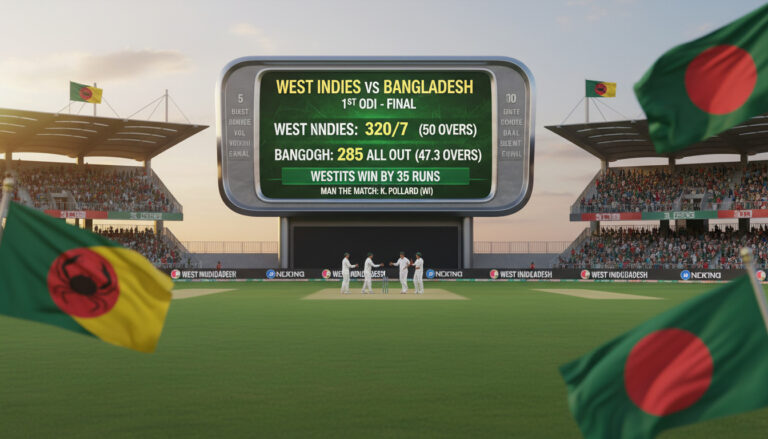 West Indies Cricket Team vs Bangladesh National Cricket Team Match Scorecard – 1st ODI 2025 Result
 Best Gifts for Teenage Girls 2025: 30 Editor Picks
 Beauty in Black Season 2: Part 2 Release, Episodes & Netflix Info
 Jack P. Shepherd – Age, Career and Coronation Street Role
 West Indies Cricket Team vs Bangladesh National Cricket Team Match Scorecard – 2025 ODI Series Results
